- This topic has 0 replies, 1 voice, and was last updated 1 month, 2 weeks ago by
 .
.
-
Topic
-
This topic was automatically created for discussion of the article:
Why Buy Art at All?
Collectors and casual buyers often apologise for “not knowing enough.” There is no need. Art is not a test in cultural literacy. It is a relationship. People buy art because a piece tugs at something unspoken – a memory, a mood, a dream they forgot they were carrying. When you bring an artwork into your home, you are choosing a companion for your daily life. That decision deserves confidence, not self-doubt.
Choosing the Right Artwork for Your Space
A beautiful piece can falter in the wrong setting, while a modest print can sing in the right one. Consider three elements: scale, light, and emotion.
Scale matters more than people expect. Large, bold works can anchor a room, giving a sense of intention. Smaller works create intimacy, drawing the viewer closer.
Light changes colour and tone. A warm-lit hallway will flatter earthy palettes, while bright daylight can sharpen cool tones and fine detail. Before buying, imagine the artwork at different times of day.
Emotion is the real decider. If you breathe differently when looking at a piece – slower, quicker, steadier – that is your answer.
Understanding Prints, Originals, and Reproductions
The art world offers more options than many buyers realise. Originals, limited editions, open editions, giclée prints, canvases, and metal prints all carry different qualities. None is automatically “better”; they simply meet different needs.
- Originals give you texture, history, and the physical presence of the artist’s hand.
- Limited editions offer exclusivity without the price jump of an original.
- Open edition prints provide affordability and flexibility – excellent for building a collection over time.
- Speciality prints like metal or acrylic suit modern interiors with clean lines.
A wise buyer matches format to purpose: is this a showstopper, a personal treasure, a gift, or a finishing touch?
How to Judge Quality Online
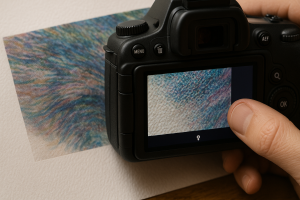 Online buying can feel like buying perfume in the dark, yet it is entirely possible to make confident choices. Look for these clues:
- Clarity and detail: zoom in. A good image remains crisp rather than soft or smeared.
- Artist reputation: not fame, but consistency. Do they communicate? Do they answer questions? Is their body of work coherent?
- Printing standards: reputable platforms use archival inks and professional labs. Check for paper type or finish options.
- Reviews: not to judge the art itself, but the delivery, quality, and customer experience.
If the image looks muddy or pixelated online, it will not magically sharpen on your wall.
The Etiquette of Commissioning Art

Commissioning an artwork is one of the most rewarding experiences a buyer can have. It transforms a simple purchase into a collaboration. A few courtesies help the process begin smoothly.
- Be clear about your vision: colours, themes, and meaning matter.
- Discuss budget and deadlines upfront: it avoids awkwardness later.
- Respect the artist’s style: commission them for their voice, not someone else’s.
- Trust the process: creativity is not a linear timeline with tidy stages.
A good artist will keep you informed, show previews when appropriate, and deliver something with heart behind it.
Supporting Artists in Meaningful Ways
Support does not end at checkout. Buyers play an invaluable role in keeping creativity alive, and the simplest acts can have the greatest impact.
- Leave a short review – it increases trust and visibility.
- Share the art in your home on social platforms, crediting the artist.
- Sign up for newsletters or follow their social pages. Consistency helps them grow.
- Return as a collector – building a small, curated collection enriches your living space and supports long-term careers.
Buyers are the steady heartbeat of the creative economy. Artists may create the work, but you give it a life beyond the studio.
Final Thoughts
Art buying is not an elite pursuit. It is an expression of taste, curiosity, and sentiment. Whether you purchase a twenty-pound print or a prized original, you are shaping the visual language of your life. Trust your instincts. Ask questions. Choose pieces that meet you where you are, then stay with you as you grow. The best collections are not trophies; they are stories told across walls.
Read the full article: https://ourartsmagazine.com/blog/the-confident-art-buyer-a-thoughtful-guide-for-people-who-love-to-collect/
—
Source: Our Arts Magazine⋱⋰⋱⋰⋱⋰⋱⋰⋱⋰⋱⋰⋱⋰⋱⋰
Site Owner • Community Manager
Artist • Authoress • Autistic •
Lover of Wolves, Woods, and Wild Places
⋱⋰⋱⋰⋱⋰⋱⋰⋱⋰⋱⋰⋱⋰⋱⋰