Doing this…taking that first step…now what? This: Try not to freak out and flee!
Oooo. Still here. Fourth sentence. Progress!
Not new to WP but squeaky-shoe new to OAM’s WP. Opening drawers, poking around in closets, searching for the warm comfort of familiarity but hoping for adventures in the unknown.
Enough for now. Back tomorrow.
The colors will wait.
EDITED TO ADD: There’s a good chance that I posted this in the wrong place. Please tell me if I did!
For more than six decades, Colombian born artist Rafael Salazar has explored the relationship between movement, emotion, memory and human transformation. It is an artistic journey that has continued to evolve throughout his life, responding to changing experiences, cultures and technologies without losing sight of the human emotions at its centre.
Today, at 82 years young, he continues that exploration through Motionalism, a contemporary artistic language centred on energy, silence, discernment and emotional motion.
“Motionalism™️ is not a style,” Salazar says. “It is a language.”
Light becomes part of the structure. Transparent geometric volumes intersect through color and light, creating a delicate balance between architecture, openness, and visual movement. Copyright 2026 – All rights reserved by Rafael Salazar.
Born in Colombia and shaped by a lifetime of global experiences across the Americas, Europe and Asia, Salazar’s artistic journey has evolved far beyond traditional definitions of painting or sculpture. His work bridges instinct, abstraction, digital experimentation, philosophy and emerging technologies, while remaining deeply centred on human emotion and the ways in which people experience and interpret the world around them.
Rather than allowing a particular medium to define the work, Salazar places the idea and the emotional response first. The tools may change, but the underlying search remains remarkably consistent.
At the core of Motionalism is a simple but profound idea: movement is not only physical. It can also be emotional, psychological, spiritual and internal.
“Motionalism is the moment where motion becomes emotion,” he explains. “The invisible movement inside the human being becomes visible through art.”
This concept allows movement to exist without necessarily depicting something physically moving. It might instead be found in a change of feeling, an emerging memory, a tension between forms or that difficult to define instant when one emotional state begins to become another.
Geometry moves through tension. Angular planes intersect and counterbalance one another, turning apparent structural stability into an active experience of direction and force. Copyright 2026 – All rights reserved by Rafael Salazar.
Rather than presenting literal subjects or prescribing a single interpretation, Salazar’s works often appear as luminous structures, energetic atmospheres, fragmented flows or suspended moments in transformation. Viewers may interpret the same piece in completely different ways, something he considers not merely acceptable, but essential to the movement itself.
“Only the observer possesses the message.”
For Salazar, the artwork is therefore never entirely complete until someone experiences it. The observer does not simply look at the work from the outside; they become part of its completion through personal memory, feeling and interpretation.
What one person recognises as serenity, another may experience as isolation. Movement may suggest freedom to one viewer and uncertainty to another. Neither interpretation needs to be wrong. The response belongs to the individual standing before the work.
This philosophy has become one of the defining principles of Motionalism and its theoretical counterpart, Motiology™️, the conceptual framework that explores the deeper human meaning behind the movement.
Two systems move toward one feeling. Cellular and linear structures curve toward one another, joining contrasting visual languages within a single organic form. Copyright 2026 – All rights reserved by Rafael Salazar.
“Motionalism creates,” Salazar says with a smile. “Motiology explains.”
The distinction allows the visual work and the philosophy surrounding it to develop alongside one another. One communicates through image, form, energy and response; the other provides a framework through which the ideas behind those experiences can be examined.
What also distinguishes Salazar’s work is his perspective on technology and artificial intelligence. While many artists approach AI cautiously, he views it as another creative instrument within a much longer history of artistic evolution.
“Throughout history, artists have always adopted new tools,” he says. “The machine can assist, but emotion, discernment, responsibility, and consciousness remain human.”
For Salazar, embracing new technology does not require abandoning the human element. Instead, the question becomes what the artist chooses to do with the tools available and what human thought, judgement and emotion are brought to the process.
Color discovers a body in motion. Soft biomorphic structures rise, twist, and intersect, dissolving the boundary between sculpture, color, and imagined movement. Copyright 2026 – All rights reserved by Rafael Salazar.
That balance between the future and humanity defines much of his current work. His compositions can feel futuristic, yet deeply personal at the same time, reflecting a world increasingly shaped by technology while still searching for meaning, presence and emotional connection.
It also places his long career in an unusual perspective. Salazar has witnessed enormous changes in the ways art can be conceived, created, reproduced and shared. Rather than treating those changes as a threat to what came before, he continues to explore what they might make possible.
At an age when many artists focus primarily on legacy, Salazar remains firmly oriented towards the future. New collections, publications, philosophical texts and expanded presentations of Motionalism continue to emerge as the movement itself develops.
Form turns inward and discovers movement. Interlocking sculptural curves fold into themselves, creating a continuous exchange between volume, shadow, tension, and space. Copyright 2026 – All rights reserved by Rafael Salazar.
There is no suggestion that Motionalism has reached a finished form. In many ways, that would contradict its central premise. A philosophy concerned with movement and transformation must itself be capable of moving and transforming.
After more than sixty years of artistic exploration, Salazar therefore appears less interested in arriving at a final destination than in continuing the journey, questioning, creating and responding to a world that never remains still.
Motion bends until perception changes. Sweeping layers curve, separate, and reconnect across a luminous field, transforming movement into a shifting perceptual experience. Copyright 2026 – All rights reserved by Rafael Salazar.
Yet beneath the philosophy, experimentation and innovation lies a remarkably grounded message about the artist’s place within something much larger than any individual career.
“Art existed before us, exists through us, and will continue after us,” he says.
And perhaps that is the simplest expression of the idea behind everything else.
“Where there is movement — Motionalism continues.”
There is something wonderfully fitting about a photographer whose childhood hero was Johnny Appleseed spending his early years wandering around the garden, poking holes in the earth with a stick and planting imaginary apple seeds.
While other children were drawing black hatted outlaws, capturing enemy soldiers or dreaming of ninth inning home runs, John Moore was apparently already looking at the world a little differently. His mother noticed too. Her Kentucky twang still echoes in his memory:
“Boy! You are one weird sumbuk!”
The name stuck, and today weird sumbuk is the name under which John shares a body of work spanning photography, digital experimentation and, more recently, AI assisted imagery.
Copyright John Moore aka weird sumbuk
Now based in Bartlesville, Oklahoma, after moving from Riverton, Wyoming in 2008, John describes himself as an Air Force brat. He was living independently by sixteen, with his parents’ consent on the condition that he found a job, and he went on to graduate from Fort Madison High School.
John cannot pinpoint exactly when art first caught his attention, but he remembers an incident from the age of twelve. A friend came to the house and asked whether he wanted to help him paint.
John declined because he was worried he might mess it up.
After the friend left, his father asked the obvious question: how exactly did John expect to mess up painting a fence?
To John, the word painting had meant making a picture.
He ran after his friend and helped with the fence anyway.
Before photography took hold, John thought he might become a poet. He spent time drifting and gathering experiences, hoping to create pictures with words, but repeatedly found himself wishing for a camera so that he could preserve the things he was seeing.
Those sights, he says, were well beyond the capabilities of his stick figure drawings.
Ask John which camera he uses and the answer is wonderfully uncomplicated: Nikon.
Copyright John Moore aka weird sumbuk
In 1983, a friend sold him a Nikon EM and two lenses because he intended to switch to Canon. After John’s first roll of ISO 100 film was developed, that same friend offered to swap his new Canon for the Nikon EM.
John refused.
“I heard a whisper and have had a Nikon since.”
That relationship with the camera has lasted for decades. For John, photography is less about constructing a technically perfect scene and more about recognising the instant worth keeping.
One photographer who particularly influenced him was Eugène Atget, and the philosophy John took from his work was simple: capture the moment.
John currently uses PhotoScape X, although he prefers to get as much right in camera as possible. Editing is generally kept to resizing and small adjustments.
His favourite image adjustment tool of all, however, belongs to another era: his colour head Omega enlarger.
His relationship with digital photography was not exactly love at first sight. Around 2000, as he puts it, he finally “quit whining digital wasn’t real photography”. He began scanning photographs and experimenting with software to turn them into something new.
Curiously, that experience has made the arrival of AI easier for him to accept. He now experiments with Copilot, sometimes beginning with one of his own photographs and allowing his imagination to take the image elsewhere.
“I want to show I do use AI to make images. This was easier for me to accept as a photographic tool than digital was back in the day.”
That makes his work particularly interesting. John has experienced photography through film, darkroom equipment, digital cameras, image editing and now generative AI. Rather than pretending those changes never happened, he has allowed his methods to change with them.
Of his own work, John’s favourite is Faithful Bison.
The photograph came from one of the family’s visits to Yellowstone. As Old Faithful erupted, a bison happened to be walking nearby. Despite having visited the area a couple of times a year, John had never before been there when an animal wandered close to the geyser during an eruption.
It was exactly the sort of fleeting conjunction his photography is built around: be there, have the camera ready, and recognise the moment when it appears.
Not every photographic moment survives.
John once photographed a neighbour’s pets and showed him several pictures on the back of the camera. The neighbour particularly liked a few of them, so John promised to download the photographs and email them over.
Copyright John Moore aka weird sumbuk
Then he went to remove the memory card.
There wasn’t one.
The photographs they had admired were temporary demonstration images and had not been saved anywhere.
Fortunately, both photographer and neighbour found it funny. John put the card back where it belonged and photographed the pets again.
When John and his wife were younger, long trips meant loading the children and his Nikon into the van and setting off, often without much of a plan. Camping and hiking in the mountains became part of family life, and the camera came too.
His family were not always delighted to find themselves in its sights. John remembers variations of “You’re embarrassing!” whenever the Nikon appeared.
These days, those same family members ring him asking for photographs from the day.
His wife once told him his photography was getting out of hand. Now they sit together looking at those photographs on a large television, seeing their children and the places they visited years ago.
She squeezes his hand and smiles.
Perhaps that explains better than anything why John photographs.
His son has called him a “selfish photographer”, because John admits that for many years the photographs were primarily for himself and his wife to enjoy when they became old.
As John now says simply:
“Old age is now.”
John has never been particularly interested in becoming known. He does not actively market his work and has little enthusiasm for social media. Fine Art America gives him somewhere to share what he has seen, while also allowing him to discover the work of other artists.
Nor is he pursuing commissions. Friends and family occasionally ask him to photograph their children or pets, and he is happy to do it for the pleasure of using his Nikon.
There is one condition when photographing children: he lets them play and be themselves.
It fits his wider philosophy perfectly. Don’t force the moment. Watch for it.
John has never followed a formal photography course. Instead, he read books on photographic history, studied photographs in magazines, watched television with an eye on how scenes were framed and cropped, and, in his words, wasted plenty of film learning what not to do.
He is equally comfortable receiving constructive criticism. Improvement, he believes, is always possible. Criticism based solely on somebody disliking a particular image is different. Not everybody enjoys the same things, so he listens and moves on.
His advice to new photographers comes from the same uncomplicated philosophy:
“Learn the rules, but shoot what catches your eye, and catch that moment you know the emotion is going to show.”
John has never tried drone photography.
In fact, he says he has never really thought about it.
Then comes the inevitable question:
“Does Nikon make a drone?”
There is another reason John’s son encouraged him to let other people see his photographs.
During a serious medical situation, John found himself in hospital where a doctor asked him, “How are you still alive?”
The experience left him considering whether perhaps the photographs he had accumulated should be shared rather than simply kept.
They were never created with fame, exhibitions or sales in mind. They were made because John happened to be somewhere, saw something worth remembering and had his Nikon with him.
Perhaps that is precisely why they matter.
His photographs contain the roads travelled, the animals encountered, children growing up, landscapes visited and those peculiar fractions of a second when everything happened to fall into place.
And somewhere beneath all of it is still the boy wandering around a backyard with a stick, planting imaginary apple seeds where nobody else could see them.
A Few More Things To Know
John’s musical tastes lean towards rock and roll with a smattering of blues, and Janis Joplin remains his all time favourite singer. YouTube itself holds little attraction for him unless his seven year old grandson is involved, in which case video game videos apparently take command.
His hobbies these days include photography and, as he puts it, letting his grandchildren spoil him.
He has no gallery exhibitions planned and does not seem especially troubled by that. The work was never really about gallery walls.
Some photographers document the world they find. Joshgun Suleymanov wants to take that familiar world and make us question what, exactly, we are looking at.
An independent visual artist, photographer and filmmaker based in Baku, Azerbaijan, Joshgun creates experimental photography using physical and optical techniques in camera rather than constructing his images afterwards through digital editing. Everyday reality is still there, but altered through his way of seeing it: a mannequin becomes an otherworldly presence, familiar shapes become uncertain, and ordinary scenes seem to hover somewhere between reality and dream.
Joshgun’s desire to create images began long before he knew what form that creativity would eventually take.
“As far back as I can remember, I wanted to become a filmmaker. I just didn’t know where or how to begin.”
Music and painting had fascinated him since childhood, but photography found its place when he began taking pictures with an old Nokia phone. That simple beginning became his entry into visual art.
Photography would eventually become far more than a means of recording what was around him. After years of street photography, Joshgun began searching for something recognisably his own: not simply photographs of the world, but a personal visual language.
Joshgun most often uses a Fujifilm X100S, although equipment itself is not the centre of his photography. At times he has spent months working with toy cameras, including cameras capable of producing an immediate print.
The X100S originally appealed to him because of his background in street photography. Its small size allowed him to work without the camera dominating the encounter.
“When people see you with a large camera, they often freeze up, but with a small camera, they usually don’t take you seriously, which creates a comfortable environment.”
He later moved to a Sony α6500 for its adaptability, particularly the range of lenses he could use and its versatility for small film projects.
Ultimately, though, his allegiance is not to a particular camera.
“For me, the main point isn’t the camera itself, but what I want to express through it.”
One of the most distinctive aspects of Joshgun’s practice is what happens after he takes a photograph.
Essentially, nothing.
He does not digitally edit his photographs. For Joshgun, this is not simply a preference but a discipline. The finished image must be created at the moment of capture.
“It is essential for me that the photograph is fully formed at the exact moment of capture.”
Even sensor dust can remain. He may remove it if it becomes particularly intrusive, but usually chooses not to. Those tiny imperfections belong to the physical act of making the photograph and, for him, help preserve its real character.
That makes the strange visual effects in his work particularly compelling. They are not digital inventions added afterwards. They originate in the physical and optical experimentation taking place between subject, camera and photographer.
The turning point in Joshgun’s photography arrived in one of the least predictable places possible: while he was asleep.
He had been photographing the street but was increasingly conscious that he wanted a signature of his own, something that would make a viewer recognise his work without first seeing his name.
Then, one night, he dreamed of a visual concept.
He woke in the middle of the night with an idea for a particular photographic method and, rather than waiting until morning, immediately tested it.
It worked.
“I was amazed to see that it actually worked. From that day on, I shifted my entire artistic approach, and today I work primarily with the technique I discovered that night.”
For Joshgun, this was more than the discovery of a photographic trick or technical process. It changed the way he understood photography itself.
“It wasn’t just a technical discovery; it was the turning point in how I view photography.”
Unsurprisingly, Joshgun chooses photography over editing when asked which part of the process excites him most.
“The core element for me is the moment of shooting: searching, observing, encountering something, and filtering it through my own vision.”
That idea of filtering reality through his own perception runs throughout his work.
One of his favourite photographs began with nothing more exotic than a mannequin in a shop. The object itself was entirely ordinary. Joshgun photographed it so that the familiar display figure appeared to become something else, an entity belonging to another reality.
That transformation is precisely what interests him.
He does travel when finances allow, but rejects the idea that compelling photography requires distant or exotic locations. An ordinary object nearby can become extraordinary if the photographer learns to see it differently.
Joshgun has never taken a formal photography course. Asked about the best photographic advice he has received, he admits that nobody gave him any. Instead, he developed advice for himself.
“The more you desire and the harder you work, the more you will learn to see.”
There is, however, no point at which he believes an artist has finished learning.
“Art is not something where you can ever say ‘this is enough.’ You must constantly work, search, and evolve.”
He approaches criticism with similar openness. Sincere and respectful criticism can act as a mirror, particularly when an artist has become too close to a piece to judge it objectively. An outside perspective can reveal something the artist themselves has missed.
Joshgun recognises that the internet has made it considerably easier for photographers to place their work before an international audience. He is less convinced that everything accompanying that accessibility has been beneficial.
Likes, views and popularity can begin to determine how work is perceived, regardless of the quality or meaning of the art itself.
“I don’t believe art can be measured by social media metrics.”
His own response is to resist the demand for constant content. Rather than posting simply to remain visible, he shares work on selected days and only when he is genuinely satisfied that it represents his artistic vision.
He is equally conscious that the internet has made unauthorised use of artists’ work much easier.
For Joshgun, originality matters more than feeding an algorithm. After years of recording the streets around him, he realised that documentation alone was no longer enough. He wanted to construct his own visual world and develop a signature that belonged to him.
Although Joshgun has not yet held a solo gallery exhibition, his work has already travelled considerably further than Baku.
It has been featured and published internationally, including AFB’s photobook Land of Fire Through the Lens in Baku, AnFond in Istanbul, Pexsel in Turkey, Progressiv Photo Festival in Denmark, TK-21 La Revue in France and Naahbox Magazine in Spain, where he participated in the Winter’s Tale group exhibition. He also placed first in a competition at Photo House in Baku.
Several projects are now ready for exhibition, including a photobook concept inspired by Plato’s Allegory of the Cave. Bringing those projects fully into the world requires resources, something he is currently working towards.
He does not undertake custom commissions, although collectors who encounter his work at exhibitions can request prints of existing pieces.
Photography is only part of Joshgun’s creative world. Film was his earliest ambition and remains part of his practice, while music provides another outlet. He enjoys playing music and recording song covers.
His family took time to understand the direction he had chosen, but they now understand both his work and what he is trying to achieve. His mother, in particular, is a strong source of support.
And then there is Paris.
Asked what he dreams about when asleep, Joshgun gives an answer that could almost be one of his photographs:
“I dream of standing in Paris, holding a glass of wine, looking at my own artwork displayed on the wall.”
Perhaps it is particularly appropriate for an artist whose defining photographic technique first appeared to him in a dream.
For now, he continues working in Baku on new series and projects while managing prints and sales from his existing work. The search continues: not for the next trend, the next burst of likes or the quickest route to visibility, but for ways of seeing that are unmistakably his own.
John Hughes’ introduction to photography came not through ambition, but through a gift. As a teenager, many years ago, he received an Olympus Trip 35mm film camera. That modest camera became his doorway into the world of photography, a world he would never really leave.
As his interest deepened and finances allowed, he progressed to a Nikon FM, gradually building a range of lenses that expanded both his technical possibilities and his creative confidence. Photography developed alongside two great passions, wildlife and motorcycle racing. Many long days were spent immersed in nature, waiting patiently for that elusive masterpiece. At the same time, weekends often found him at local race meetings, photographing competitors he knew personally and enjoying access to prime locations that allowed him to capture the intensity and speed of the sport.
With the dawn of the digital age, John transitioned from film to Nikon DSLR cameras, upgrading every few years as technology advanced. His loyalty to Nikon has remained steady, largely for practical reasons. By staying with the same brand, he was able to continue using his original lenses on newer digital bodies, a sensible decision that kept both quality and cost in balance.
Editing plays a role in his workflow, but only a restrained one. He keeps it simple, cropping where necessary, enhancing colours slightly, straightening images. For years he has used Smart Photo Editor, finding that it comfortably covers his needs without unnecessary complication. For John, the true joy lies not in software but in being out somewhere with a camera in hand, capturing great shots in real time.
When speaking of inspiration, he mentions Ansel Adams with genuine respect. Adams’ landscape photography, those sweeping, majestic compositions, represent something most photographers can only aspire to. That admiration is reflected in John’s own favourite work, born from two unforgettable trips to Alaska. One image stands above the rest for him: a single track railway stretching towards distant snow capped mountains. There is a quiet power in that composition, a sense of scale and solitude that clearly left its mark.
Alaska itself provided one of his most treasured photography memories. The landscapes were extraordinary, the wildlife unforgettable. Brown bears, bald eagles, and countless other species filled his viewfinder. Yet it was a whale watching trip that became the experience of a lifetime. Seeing a mighty humpback whale up close, watching it breach before disappearing into the depths, left him stunned. It is a moment that has stayed with him ever since, long after the shutter clicked.
Travel has been a defining thread throughout his photographic life. He has visited over fifty countries, always with a camera packed and ready. Whether near home or on the other side of the world, the camera has been a constant companion. Despite this wealth of experience, he has never exhibited in galleries. Perhaps one day, he says with quiet openness. There is no frustration in his tone, simply the sense that photography has always been about the experience first.
Constructive criticism is welcomed. John sees photography as a journey of learning, and believes we are all travelling that road together. Around fifteen years ago, he formalised his knowledge by attending evening classes at a local college, earning an A Level qualification in Photography. The course deepened his understanding of technique and encouraged him to approach projects with greater intention.
His advice to new photographers is refreshingly straightforward. Keep it simple. As long as you enjoy and like your own work, that is what matters most. If others like it too, that is a bonus.
On the subject of the internet, John views it as a powerful advancement for photographers, opening access to a vast global audience. While infringement can occur, he believes it remains limited compared to the opportunity the online world provides. He has been on Fine Art America and Pixels for over ten years, promoting his photographic artwork through his dedicated Pixels site and carefully chosen social media platforms. After experimenting with various networks, he now focuses on three that have proved effective for him: X, Mastodon, and Bluesky.
He is not available for commissions, preferring instead to concentrate on his own creative pursuits. Away from photography, football is his main hobby, though his playing days are long behind him. These days, he attends matches as a supporter rather than a participant.
John took early retirement from the Northern Ireland Civil Service over ten years ago and now considers himself fortunate to split the year between Northern Ireland and Spain. Two homes, two climates, two distinct qualities of light. It is a lifestyle that offers both familiarity and variety.
Behind the scenes stands his wife, Gillian. Not only his travel organiser, she has been a steadfast supporter of his photography over the years. His grown son and daughter are impressed by his output, a quiet acknowledgement that his dedication has not gone unnoticed.
And when it comes to dreams? Strangely, he says he can never remember them. Perhaps that is because his waking life has already provided so many remarkable images, railway tracks disappearing into mountain ranges, whales breaching against vast northern skies, wildlife encountered across continents.
John Hughes’ photography is grounded, steady, and sincere. It is not about chasing trends or technical excess. It is about being present, camera ready, wherever the next moment might unfold.
As we step into a new year, I wanted to share an important update with openness and gratitude.
I have now moved all of my own articles from Our Arts Magazine over to abbie-shores.com. The only pieces remaining on OAM are work created by our members, along with interviews, all of which will be carefully updated throughout January 2026. This marks a moment of complete change, intentional, thoughtful, and very much needed.
From here on, Our Arts Magazine is truly and wholly for its members. I am stepping out of the equation creatively so that I can focus on building my own site, while dedicating my energy to doing what I believe matters most in the year ahead, properly marketing and championing our members in the way they deserve. Not as an afterthought, not as filler, but as the heart of the platform.
This shift has been a long time coming. It feels right. It feels honest. And it allows OAM to become what it was always meant to be, a space where member voices are front and centre.
I am deeply grateful for the support I’ve received along the way. This community has meant more to me than I can neatly put into words. I would especially like to thank Robin, Hugh, Rudy, John and Ludwig, who have been there through thick and thin. Your steadiness, encouragement, and presence have mattered more than you know.
Here’s to a year of clarity, growth, and doing things properly… and to a future where our members shine as they should.
I am a contemporary artist with a background in architecture, living and working in Lyon, France.
My style is modern impressionist, semi-abstract and in some cases with expressionist influences.
I am fascinated by the explosive textures and the intense chromatic that you can explore and reinvent by working the medium of oil painting. The palette knife oil painting technique that I developed over the years confers expressiveness to my paintings and an amazing three dimensional aspect. It can be seen as a form of textural impressionism, as I use thick layers of oil paint to achieve a vibrant movement in my works.
Most of my oeuvre focuses on the city life and urban spaces. In addition, I enjoy applying and developing my skills through the exploration of other subjects as still lifes, flowers, animals, landscapes, figures.
I love to wander from one city to the next, to discover new places and to revisit the old and then to express these emotional experiences in my paintings. My professional training as an Architect has allowed me to study in depth and to grasp the City subject with all of its complexity. In my urban landscapes I merge the experience of architectural drawing concepts with the freedom, the strength and the energy that Palette Knife Painting allows me to express in a world of tones and colourful hues.
I am a painter and architect currently living in Lyon, France, originally from Bucharest, Romania. The art, since childhood has always held a fascination for me. I had the big opportunity to grow up in an artistic environment and today I realize how important this was. My parents have always been able to help me with advice in both domains, of painting and architecture – my mother is an architect and my father a professional painter. My grandmother was also a very artistic and talented person and I will never forget our long hours of drawing and painting together or practicing the piano, since I was just a few years old.
Regarding my professional background, I graduated the Fine Arts High School “N. Tonitza” in Bucharest and I’m really feeling lucky about this. I learned a lot there, I had some extraordinary art teachers and I keep many good memories. My background was not just one classic, cause after the Art high school I decided to follow the “Ion Mincu” University of Architecture and Urban Planning in Bucharest. During this decade, I complemented my architecture studies with live drawing and painting classes. I continued with postgraduate studies in Bucharest and Lyon, obtaining in 2008 a master degree in urban planning. I don’t regret my choice, I think that the 6 years of architectural drawing studies completed very well my art ones and today I feel confident in myself whatever I draw or I paint. Immediately after graduating the faculty I was hired in an Architecture Office in Bucharest, my first job. At the same time I started my Master and I also taught as an assistant teacher in the small years of Landscape Design and the Urbanism Faculty, an experience that I remember with great pleasure. I opened an architecture and urban design business in Bucharest at the same period of time, we had beautiful, varied projects and collaborations with talented colleagues. Meantime I had a great opportunity to work for a few months in an interior architecture office in Paris, a unique experience that brought me a lot of satisfaction. It was then when I irremediably fell in love with this amazing city. Maybe this is why I love so much to paint it.
In 2011, I moved to Lyon, I embraced my life-long passion for painting and I returned to a full-time career as an artist.
Does your artwork come from that background?
Yes, it surely does. As a result of my education and experience, most of my oeuvre focuses on the city life and urban spaces. However, I also enjoy applying and developing my skills through the exploration of other genres as florals, landscapes, animals, figures… I work predominantly in oils, but create also works in pastel, acrylic, watercolour, ink and charcoal. I love to attend live model classes when I have the chance. I am doing this since high school and I consider it is an excellent exercise to practice your drawing skills.
Regarding my urban paintings, I have always loved to approach them in a myriad of ways. They have a particularity as I enjoy stylizing architectural forms in various manners. This has always been one of my goals, even a preoccupation from the time I was studying at the school of architecture until the present. The versatility of oil paint along with my prototypic work with palette knives allows me to play with the urban forms abstracting the city in an unconstrained manner.
What are you trying to say with your work?
My style is modern impressionist, semi-abstract and in some cases with post-impressionist and expressionist influences. I am fascinated by the explosive textures and the intense chromatic that you can explore and reinvent by working the medium of oil painting. The palette knife oil painting technique that I developed over the years confers expressiveness to my paintings and an amazing three dimensional aspect. It can be seen as a form of textural impressionism, as I use thick layers of oil paint to achieve a vibrant movement in my works.
Regarding the creative process of my work, the main idea can be an emotional impulse, a special moment in my life or a place that particularly touched me. I love to wander from one city to the next, to discover new places and to revisit the old and then to express these emotional experiences in my paintings. My professional training as an Architect has allowed me to study in depth and to grasp the City subject with all of its complexity. In my urban landscapes I merge the experience of architectural drawing concepts with the freedom, the strength and the energy that Palette Knife Painting allows me to express in a world of tones and colourful hues.
I also love to paint landscapes, floral or trees… I have a rich imagination, I often find myself daydreaming about things and places that nobody else is feeling or dreaming about. All those sensations, thoughts and images I incorporate in my art. Each painting is an experience, enriching my inner self. Thus was born my series of phantasmagorical landscapes, especially the ones representing the Northern Lights in my personal vision. I am deeply fascinated by this wonder of Nature and it inspires me a lot.
I believe painting is more than a combination of nice colors. It needs to pass on a message, to raise a reaction. Painting is one way mean of communication. The message of the surroundings – an unique combination of personal impulses – is immortalized and time stops. This message is being reflected in the eyes of the beholder. Thinking beautifully isn’t enough; it is essential to be able to accomplish the beauty of our thinking.
In the past years I specialized in textural impasto palette knives oil paintings. I just love the amazing textures that I can achieve by working the medium of oil painting in the impasto technique. I usually work with heavy textures and I love the vibrant dynamic color schemes. I mostly use a variety of palette knives in the realization of my impasto works, sometimes in combination with brushes for the underpainting. Many of the art collectors that purchased my original paintings told me that this is what they love a lot at my works, the incredible textures that seems pop out the canvas, giving life to the painting.
Do you work in a studio?
My Studio in October 2018
Yes, I do. I am working at home, but I set up one of the rooms as my studio. It is a beautiful place, an apartment style haussmannien in Lyon, from 1890. I believe in the energy of a place and this one it truly has positive vibes for me. The truth is that I would manage to set up a corner studio and to paint comfortable almost everywhere. As soon as I have my colors and my palette knives everything goes perfect.
What is the one thing in your studio you just could not be without?
My first thought went of course towards my painting tools, like my palette knives, my colors, my Easel… Actually thinking better I realize that my computer/my smartphone connected to the internet are as well indispensable… Especially because I use as reference for many of my painting photos that I took during my travels. Also because I display and sell my art mostly online so I keep the contact with my followers and I regularly add new artworks on my online shops and share them on my social media platforms.
My Venice Painting and I
Who are your biggest influences?
I have always been inspired and attracted in a special way by the Impressionist movement. Other preferences are the Post-Impressionism, the Romanian Modernism and The group of Seven. Some of my favourites artists: Monet, Van Gogh, Gauguin, Cezanne, Suzanne Valadon, Felix Valloton, Klimt, Tom Thomson, N. Tonitza, Stefan Luchian, Corneliu Baba, Iosif Iser.
What is your favourite piece of work by yourself?
It is very difficult to choose one in particular, as I am very fond of many of my paintings. However, I have a special feeling for my “Nightfall over Lyon”, a large nightscape canvas of 116×81 cm that I painted in 2017 and shortly after have sold it to an art collector in Canada. This modern impressionist palette knives oil painting captures one of the most beautiful squares in Lyon, La Place des Terreaux. The impressive facade of Hotel de Ville shines in the night…while people with red umbrellas are rushing under a burst of evening rain, each with their life stories…
How much time (on average) does it take to complete a work?
Referring to a palette knives oil painting, it depends very much on the complexity of the subject and the dimensions of the canvas. Small works can take a few hours and large canvases with complex compositions up to two weeks.
How do you know something is ‘finished’? Is it easy to walk away?
I just feel it. I feel when the moment to stop is. Sometimes is totally natural, but occasionally I return and add a few touches to a painting the next day. Especially when I finish it late in the night.
What project are you working on now?
I am working on a series of cityscapes from my recent travels: France, Greece, Spain…and toujours Lyon, my home town.
Actually in this very moment I am working on three commissioned paintings. I often take commissions from collectors. Some of them wish me to paint them recreations of older paintings of mine, others desire new works by sending me their photos as reference.
Lately, I started to realize some process videos of me painting, in time-lapse mode. If you wish to watch them please check them out on my Instagram page or my Facebook page in videos section. I really enjoyed doing them, but I believe they are above all very enjoyable to watch.
What was the best advice given to you as an artist?
Don’t ever stop what you are doing (painting). I remember I had a teacher in elementary school that called my Mom and insisted to enrol me in an art school. That I have lot of talent and it is a pity not to follow this path. I think it was a wise decision that my mother took back then. That’s how I started the formal painting lessons and then the fine arts high school. There were also my family and all my friends who continuously supported me to paint even while I was in the architecture school. Some of them often used to pose as models for me.
A triptych oil painting of Lyon rooftops that someone commissioned me to paint in 2010.
Do you find it hard to navigate the artworld?
I don’t find it hard, only very demanding. Actually I was always a very techie person and did well with computers and internet. It is true that it demands lot of hard work to marketing your artworks online. And especially lot of time. This would be the only problem in what concerns me… I would love to be able to use this time for painting more.
What are you personally doing to advance your work career?
I paint very much, I paint almost every day. I really take it like a full time job, every morning I enter my studio and start to work… painting, sketching ideas for future works, doing some online marketing… I also organize personal exhibitions in Lyon and I often attend group exhibitions. I am a member of several associations of artists: “La Maison des Artistes Paris”, “Ligne et Couleur Paris – l’association des architectes artistes”, “Fondation Taylor”. I exhibit every year in Paris and occasionally in other European cities, through Ligne et Couleur Association. Last month I took part in a group exhibition in Venice, Italy, where I exposed two of my paintings.
I was most active on my Instagram account in the past years, as it grows rapidly. I spend enough time for marketing and I think it’s important to be active and visible on the online market. I have an online shop on Fineartamerica.com where I sell prints of my artworks and lots of nice products in addition. I am selling regularly over there, but I have to admit that this demanded lot of marketing work in the past. I also have an online shop for my original paintings on Artfinder gallery which works very well. I make process videos while painting and publish them on my social media platforms. I don’t follow any art trends but I always try to be updated with the new trends and tools in marketing (as for ex on Instagram).
How do you price your work and why do you price it that way?
At the beginning, when I first came up on the art market, I compared my prices with other similar contemporary artists. I tried to fairly and objectively evaluate how my art measures up to other art on the market at that moment. I also took in account that I had art studies and an important experience in the fields of art and architecture. I also consulted some specialists, members of art associations I am part of. They also helped me in correctly choose my prices. With the years passing I started to also take in account other criteria, like all my experience, the number of years since I am working as full time artist and selling, my previous sales history, the time and the investment in one painting (that could change much from one artwork to another). I always price my artworks according to their value, in a fair and reasonable manner.
Do you use social networking in your day to day life?
I mostly love to paint, that is for sure… However, I don’t think I can consider this my hobby, knowing that now it is my full time job, so yes, I enjoy a lot playing the piano, I love to travel, to read or to watch a good movie.
I was born in Romania but I am now living in France, in the beautiful Lyon, a city in east-central France in the Rhone-Alpes region, situated between Paris and Marseille.
I spent a life time dreaming of living in Hawaii. It took years to build my skills as both artist and teacher. Years of gaining the confidence and experience to bring with me so that I could thrive on the island. I held onto this dream all through the years of raising my four children. When they all moved out and starting building lives of their own I began to work even harder at making my dream/goals come true. I now have seven grand kids, all living in California. I miss seeing them grow. I miss being able to hug them or go to their special functions and I miss my kids. I knew I’d be missing out on all this when I moved to Maui six years ago. I had a quite break down the year before moving here. Maybe it was more of a revelation. I knew If I didn’t follow my dream I would be doing more harm then good in teaching my kids and grandkids to follow theirs. I knew I needed to lead by example. I needed to make a path they could follow. Making sacrifices is part of the journey.
What’s your background?
I grew up in the art business. My parents owned a gallery – frame shop – art supply store – painting workshop business on the North Shore of Lake Tahoe called Lakeside Gallery. My mom taught me how to paint and my dad taught me how to frame. I learned a lot about art supplies. Including brushes, paints, papers, canvases, sculpting tools, pens pencils and a great deal more. I took advantage of most of the visiting teachers who conducted workshops each year. That gave me an opportunity to learn a variety of styles and mediums, and I learned how to teach painting classes.
I also learned a lot about running the business. All aspects of it including paying bills, scheduling workshops, selling art and art supplies, writing news announcements, news letters and running the website. All of that was great practice for what I’m doing now, running my own art business.
Spirit Of The Ocean Copyright Darice Machel McGuire
Does your artwork come from that background?
Yes, in a lot of ways it does. Having the opportunity to learn a lot of styles, techniques and mediums gave me the courage to try new things, experiment with new products and take risks. Developing my own unique voice as an artist was something I’ve worked hard at and still working at.
The artists and teachers at Lakeside Gallery inspired me to keep learning. They were my example of where I wanted to go with my art. Some of the teachers owned galleries. Some wrote books and did videos on how to paint. Some traveled all over the world teaching classes. Some sold their works for 10s of thousands of dollars. They were all very talented, loving, crazy people. I wanted to be like them when I grew up.
Sandy Beach Copyright Darice Machel McGuire
What are you trying to say with your work?
I think my art reflects life around me. Each painting is a memory of where I’ve been and what I saw. I’m mostly a landscape artist but lately I’ve been painting a lot of sea life. I want to show the world what a beautiful planet we live on. Everywhere I go I see beauty. That’s probably because I live in one of the most beautiful places on Earth, Maui Hawaii.
I want to share how I see and what I see in my world everyday. I want to focus on how it can be, the bright, clean, beautiful and peaceful world I live in. I have very few paintings with people in them because I want the viewer to imagine themselves in the scene.
So I guess what I’m really saying with my art is we live in a beautiful world. Lets keep it that way.
What made you choose the medium you work with?
I work with both oils and acrylic paints. I started out painting with oils over 40 years ago because that was the medium my mom taught. She also taught watercolor but I didn’t much care for that medium. I love how creamy the oil paint feels when I mix it and how wonderful it blends when I paint with it.
15 years ago I started to use acrylics because one of my students was allergic to oils. It took awhile to get use to the quick drying time but once I mastered that it became the medium I now use most. Acrylics are so versatile, I can paint them on watercolor paper, canvas, wood panels and even rocks.
Reef Dancer Copyright Darice Machel McGuire
Acrylic has become the medium I’m most known for since moving to Maui. In 2013 I was approached by Walter Foster Publishing asking me if I’d be interested in co-writing a book on painting in acrylics. I jumped at the chance and in 2014 “The Art Of Painting In Acrylic” was published.
This past year I fell in love with the technique acrylic pouring. It has taken me to a whole new realm of painting. I love mixing the abstract backgrounds I get with the pours with my realistic sea life animals or tropical flowers. It’s a match made in acrylic heaven.
I have a learning disability called dyslexia. Back when I was a kid schools and teachers didn’t know anything about learning disabilities. I was treated like a dummy and was ignored by most my teachers. I was labled a problem child. Not one of them took the time to help me. In fact, a few did a great job in embarrassing me in front of the class. The only things I was good at in school was anything to do with arts or creativity. My parents didn’t help, they didn’t know how. I taught myself to read at age 15. I dropped out of high school at age 16. I fought the stigma or label of being called stupid that was forced on me. I hid the fact that I couldn’t spell very well most of my adult life. It’s funny, when I read I can pick out misspelled words. But when I go to write words they often come out wrong. Thank goodness for auto correct on my computer and my little dictionary sitting on my desk. I’m also very grateful to my life partner, Charlie for his expert proof reading skills.
Do you work in a studio?
Yes, I’m a studio artist. My studio is located in Lahaina Maui. It’s a little smaller then the one I had in California which means I store quite a bit of stuff in the bathroom next to it. Such as frames, fabrics, and boxes of paper.
My Studio
I’ve had to down size how many students I can teach as well. I can only accommodate 4 students now, and that’s a tight fit.
My desk stretches across the back wall. On it sits my computer and a lot of piles of binders, note books, papers and file boxes. On the wall behind my computer is a lot of photos of my kids and grandkids and my calendar. The left side of the room as you come in through the door I have a book shelf, a storage shelf with storage baskets, folding chairs and TV trays and easels. Behind the door is where I hang all my smocks and aprons. On the right side I have 3 shelving units stacked full of art supplies. The one and only little window is also on that side too. The walls are covered with paintings. There is so much stuff in my studio it boggles the mind.
My Studio
What is the one thing in your studio you just could not be without?
Air conditioning! It gets pretty hot here in Lahaina, especially in the summer. My studio is in a metal warehouse type building. The Afternoon sun is intense. I don’t think I could handle being in my studio with out it.
Oh, and my calendar. I put everything on my calendar. I schedule classes, art shows, volunteer activities. I have scheduled appointments, days I set aside for writing my newsletters and blogs and even lunches or dinners with my friends. If it doesn’t get put on my calendar it gets forgotten.
Who are your biggest influences?
My mom has been the biggest influence in my life. Seeing her achieve things she never thought she could had a big impact on me. Opening her gallery just one year after she started painting was amazing. Teaching art classes to strangers, adults and children with such love and patience, also taught me what kind of teacher I wanted to be.
Also many of the teachers I spoke of above inspired me to push myself beyond what I thought I could do.
Lahaina Harbor Copyright Darice Machel McGuire
What is your favorite piece of work by yourself?
My all time favorites are “Misty Hills” and “The Blue Door”. These are older paintings, both done in oil and both have sold.
Right now I’m working on a series of sea life and tropical flowers in my new favorite technique, acrylic pouring. Every piece is coming out better then I hoped. I’m madly in love with this new series.
How much time (on average) does it take to complete a work?
That really depends on what I’m working on and what medium I use. Miniature paintings can take anywhere from 20 minutes to a couple of hours. Large works can take days and sometimes weeks to complete.
In some cases the drying time can really effect how long it will take to finish a piece. So for me, there really is no “average” time.
Golden Yin & Yang Copyright Darice Machel McGuire
How do you know something is ‘finished’? Is it easy to walk away?
This is a question I get a lot from my students too. It’s not an easy one to answer. For me, I decide a piece is finished when I put the last stroke of detail on it and I sign my name.
I don’t have a hard time walking away from a painting once I decide it’s done. At that point I turn it over to my significant other who photographs them and gets them ready to go on my website. When he is done I varnish them and get them ready to show either in my studio or in one of the galleries I’m in.
Free Spirit Copyright Darice Machel McGuire
What project are you working on now?
I’ve been enjoying painting on round canvases or wood panels lately. I have a small round 15 inch diameter wood table top I’m getting ready to do a painting on. I bought the unfinished table top from Lowe’s. Haven’t decided if I’m going to put lags on it and use it as a table or if I’m going to wire the back to hang on the wall. I’ll know which way it will go when I’m done.
Diving Into Blue Copyright Darice Machel McGuire
What was the best advice given to you as an artist?
Practice, practice, practice. The more you paint, the better you get. I don’t remember who told me that. Probably my mother. It kind of sounds like a motherly advice.
Another art teacher told me to paint things that sell. That advice was pretty vague to me at the time. I had no idea what would sell. Now after 30 some years from when he gave me that advice I have a better idea. What was the first piece of art you sold?
The first piece of art I sold was a small watercolor painting of a desert scene. It was on display at Lakeside Gallery. In fact, if I remember right, it was the only piece I had there at the time. The woman who bought it fell in love with it because it reminded her of where she grew up. It’s funny to me that the first painting I sold was in a medium I rarely use.
Do you find it hard to navigate the art world?
In the beginning of my art journey I found it very hard to navigate. There was so much to learn and do. So many directions I could go in and I wanted to learn and do it all.
In my twenties through my early forties I also did community theater, dancing and singing and designed and created costumes. My artistic interests stretched over many mediums. Each one taking time and energy to do. By my mid forties I decided to focus on just my painting interests.
I have met artists who tried to stop me and artists who wanted to help me. One advantage I had, still have, is the amount of knowledge I learned from growing up in the art gallery business and being able to slowly grow my online presence.
Being online has made it a little easier to get people to see my work. Yet, at the same time, it’s given me more challenges. I spend a lot of time marketing and promoting both my art and my art classes. Balancing my time between being on the computer and painting or teaching is frustrating.
Coming Ashore – Copyright Darice Machel McGuire
What are you personally doing to advance your work career?
As I mentioned above I spend a good deal of time on the computer doing social marketing on Twitter, Instagram and Facebook. I have two blogs, one on each of my websites and I send out a monthly newsletter to my mailing list.
I also research online and local art competitions that might suit my work. I’ve won money, certificates, ribbons and placements in books. The newest book I won placement in is coming out May 2018 (next month), it’s called “AcrylicWorks 5”. It can be found on Artistsnetwork.com
I answer all my emails specially ones from companies like Walter Foster Publishing who found me through my website and asked if I would co-write “The Art Of Painting In Acrylic”. Or Southwest Art Magazine, who congratulated me on my winning piece in “AcrylicWorks 5” competion and asked if I’d like to have a half page feature in the April 2018 issue of Southwest Art Magazine. Taking advantage of these two opportunities is helping to grow my art career.
I have done 4 book signings, three locally which includes one at Barnes & Noble book store and one in Chico California. My work is in four Maui art galleries. I also do live painting demonstrations every Friday morning in front of one of them. I’ve met a lot of great people doing this and have gained art collectors, students and friends.
How do you price your work and why do you price it that way?
I price my paintings by size. This keeps it simple for me to remember when a customer asks how much a painting is. All I have to do is look at the size painting they are interested in to give them the price.
Do you use social networking in your day to day life?
Yes I use Facebook, Twitter and Instagram mostly. I also use LinkedInn, Pinterest and GooglePlus But not often. My favorite networking site at the moment is Instagram. I have two accounts on there. One for my Art and one for my art classes.
Is there anything that really annoys you about the art world?
Yes, one thing that bothers me is the big Art Auction companies like Sutheby’s and Christie’s who push really bad art with really high price tags to the very rich. Or Art Museums that display elephant dung, PVC pipes and urinals as art ( yes I’ve seen that with my own eyes ). To me that’s a slap in the face.
I also don’t care for the pressure “used car salesman” approach to selling art in some of galleries around here and on the mainland. So many of these sales people make up stories or lie about the art and artist just to make a sale. Their little back rooms with controlled lighting is a joke. Most people’s homes don’t have little rooms with controlled lighting to show off their art works.
What advice would you give new artists?
If you are a painter, paint every day. If you are a musician, singer or an actor, practice everyday. The act of doing will make you better at what ever you want to do.
Have you got hobbies?
I enjoy taking walks on the beach, hikes in rainforests or tropical gardens and photographing the beautiful things I see. I also love reading. I have less hobbies now then when I was younger. Back then I enjoyed acting in community theater, dancing, creating and sewing costumes as well as the other things I mentioned above.
Where are you based?
I live in Hawaii on the beautiful island of Maui. My studio is located in Lahaina, on the west side of the island.
I love surrounding myself with creative people. Most of my friends are artists. I enjoy celebrating their achievements and they enjoy celebrating mine. Every Friday night is “Art Night” in Lahaina. Charlie and I make this our date night. We go out for dinner then make our rounds to the galleries we like best, starting with Village Gallery. In Lahaina there are a lot of galleries but we visit just 3 or 4. At the end of the evening we meet up with a few artists friends to have ice cream at our favorite ice cream shop. This has become our Friday night ritual for the last 6 years and we’ve become pretty famous for it. That is, famous in our circle of friends and the businesses we go to.
EDITORS NOTE: Dora did say that I could edit this as I normally do, but her words are so beautifully written, and show her wonderful accent, that I have left them alone.
I am a real crazy cat lady, or better to say a cat artist, sometimes I think probably I am a reincarnation of a spoiled domestic kitty. My husband simply calls me Cat Woman because around 10 years ago I started to paint some colourful cats and I just cannot stop painting them, and Pet Woman because I have an ability to entertain myself at home with my art and other things, and sometimes just forget for days or weeks that outside word exist. Wherever we have been living, I loved to discover the world around us, but on the other hand I never had problem to stay at home for longer periods without talking to anybody in person, except to him or to my children, communicating only online with my friends from different countries. I am perfectly happy at home in my own world painting cats and other subjects after each other.
Music chosen by Dora
What’s your background?
I was born in Hungary, and although we didn’t have a professional artist in my family before, there were several members from my ancestors, who had “artistic veins” or talent, but as to be an artist was not considered as a real profession, mine was the first generation, when two of us were lucky to allowed to pursue our dreams, and they let us to study art. One of my grandmother who was a housewife was making beautiful embroideries, and she was a kind of Pet Woman too, as somehow after 40 years old, she refused to leave home. Her son, my father sometimes made awesome drawings as a hobby and some carvings from wood. He had a camera and a dark room to develop his photographs, which fascinated me as a child. He was an architect and had a huge drawing table and made the plans of houses on paper by hand. My mother was a geography and biology teacher before she got retired, so my love for animals should came from her. In fact, I haven’t seen much art at home, we never visited exhibitions, but I saw plenty of papers and drawings of houses from my father, and I was very lucky and happy child, that they supported me to be able to do what I loved from early age.
I always enjoyed creating, at weekends I was drawing and painting in the studio of our local artist community, I learnt there how to make enamel jewellery which I sold to German tourists during summer with profits. I won some art competitions at young age and had exhibitions with the adults from our local art community. When time arrived to choose school with the recommendation of my art teachers, my parents gave a green way, and they let me continue my studies in Art High School. I left home as young as 14 years old, to do what I loved, supported by my parents from the background.
Cat Portraits
Does your artwork come from that background?
I graduated at Moholy Nagy University of Art and Design MOME Budapest, Hungary in 2002 as Textile Designer specialized in handwoven textiles. Why I ended up in the textile department, I don’t really know, but probably my love for yarns came from my grandmother who loved to make embroideries, and my other grandmother had also a loom and a Singer to make textiles and clothes. But in fact I had chosen the Handwoven Textile Department because I had to choose from the given options, and when I saw their workroom with full of colourful yarns, I just knew, that was for me.
The University was useful to learn about history of art and gave support as technical knowledge for making unique handmade textiles and for drawing but didn’t prepare for the life in the sense of how to market yourself as an artist, or what comes after the school. In Hungary that time the Textile Industry was dying, they didn’t need more designers. Also, I was a bit full of the first 4 then 5 years of constant criticism from my teachers, so I was happy get my Artist Degree, and start to do something on my own. Yet during the University I purchased an old loom originated from Finland and started to work as a freelance designer, produced hand woven textiles for cushions and window blinds made by painted bamboo using my loom.
Cat Zodiacs by Dora Hathazi Mendes
Soon after I met my Portuguese husband, and I left Hungary, and left my loom and colourful yarn collection behind, and started a new life which meant in the following 10 years we have been living in 4 different countries including Romania, Poland, Portugal then Malawi, then back to Portugal, moving constantly. I had a black cat that time called Rebeka, and she accompanied us everywhere except Africa, I think probably she was my somebody important from my previous life, but for sure she inspired me to create my first cat paintings.
Without my giant loom, I thought it is probably best time to pick up painting again, because it doesn’t need much space; a person can do it everywhere, and while I was expecting our first son, I created 22 whimsical cat paintings, which now is the base of my colourful Cats of Karavella Collection. That 10 years was not a very productive period tough in my life in art sense, as I was quite busy to find my new role as a mother and build a new nest in every country we moved after each other. The real thing came only later when accidentally I found an article about Fine Art America and I realized I can be anywhere to reach people without involving myself in the local art scenes, and this gave a new purpose to my life!
What are you trying to say with your work?
Now I believe about 80% of my works are about cats, which will change in the future, as from September my second boy finally will start preschool, so I can become from a stay at home mom, a full time professional artist, and dedicate myself totally for paintings! Meaning, there will be even more cats, but other subject too.
Although cat lovers say cats rules the internet, life and the whole Universe, I don’t have ambition to change the world with my cat paintings. I paint about them because it is my passion, and simply I would like to show this beautiful animal to the world through my eyes. If somebody ask me, what is the word which most represent cats, I would say sophistication. When I opened my Artist Website through Fine Art America in 2016 starting out with my first 22 cat paintings, I realized with my cat art I can connect easily with likeminded people in the whole world, and receive encouragement from costumers, fans and followers, which is very inspiring.
I also paint commissioned cat portraits for custom orders, and my aim is to create a lovely looking portrait about a great companion or as a memoire. My costumers normally crying with happy tears, which is a proof for me, that I succeeded, and my painting is talking to them on its own.
I choose randomly my other subjects, I like to work from my own photographs such as places from our traveling, so I paint for my pleasure, not because I want to say something with them. I don’t have art about political messages, or critics about life we live in, and I am not really into abstract art, I love to paint what I see, and I paint them, because I find them beautiful. It is relaxing and good to my soul.
What made you choose the medium you work with?
I use mainly watercolours in different forms. For my colorful Cats of Karavella Collection, which are bigger size mixed media paintings, I prefer to use Ecoline, which is a water based brilliant liquid watercolour, comes in jars, very similar to inks. I combine this medium with metal gouache and permanent markers, which help me to achieve a very controlled look. I love this paint, because it can provide me the bright and intense colours which I need, to be able to achieve what is in my mind, and with silver and gold and bronze gouache I can add an extra touch which make them special looking in live, and hopefully turn my first-time buyers into collectors.
To my more realistic Cat Portraits I use also watercolours but in pan versions. While my 2D paintings requires more precision and all about colors, on my watercolour cat portraits, I like to let the paint flow, and create a different style. I started this collection last year in December, and I made so far 70+ paintings about one two or three cats together inspired by photographs, and I still learning with each of them to try to develop a spontaneous watercolour style.
Do you work in a studio?
While living abroad, we purchased a place at the sea, which was meant to be my studio when we settled down, we also nicknamed it as my Karavella Atelier. But when we finally stopped traveling, I was expecting my second boy, so we decided as I will be a stay at home mom for some years, it will be more convenient if I work at home. We turned my studio to a seaside rental, and I have a room for my art in our house, but practically I use only a corner where is my desk, some shelves and wardrobes to store my art supplies, papers and paintings, and as a “Pet Woman” I am very happy with this solution right now, because it is comfortable, I can work with my cat at my side, and everything I need is near, and as I am not painting on giant canvasses, I can do everything on a A3 sized drawing board. I stayed with the name of my dream studio, that is from where the Cats of Karavella came from.
What is the one thing in your studio you just could not be without?
My first thought was to this question that it is my cat Riscas! I have a young Lynx Point Tabby boy for a year, and he believes that he is my assistant, or something like that. Like my other cat was, he likes to involve himself in the process, and what is for sure he is a big help in my marketing efforts! But as he is a cat, he is very independent, so he chose to stay near me when he wants, and not when I want, so my correct answer to this question is my computer with internet!
In this stage I am not exhibiting in physical galleries, so all my art activities happen online. I am not painting plein air, as it would be more assisting to my kids to paint that to paint myself. I need my computer for painting cat portraits from digital photographs, I need it for keeping contact with my costumers, fans and followers on my social media accounts, for taking care of my Artist Website and shops, also communicating with my friends and family.
Ginger Love by Dora Hathazi Mendes
Who are your biggest influences?
I love Art Nouveau movement, the work of Alphonse Mucha, Gustav Klimt or Henry de Toulouse Lautrec, for an architect, Antoni Gaudi! In my Ecoline cat paintings I prefer bright, vibrant colours, and drew inspiration from the organic and geometric forms, motives and angular contours of this great decorative style. I like the look of stained glass windows and enamel jewellery, and I try to implement some ideas in my colourful Cats of Karavella Collection. When I somebody write to me, that these cat paintings would look great as stained glass, I know I achieved it, and makes me satisfied. From watercolour artists, I would have too many to mention, don’t have a favourite.
What is your favourite piece of work by yourself?
My absolute favourite painting is the “Blue Cat with Goldfish” mixed media from the early collection. This painting was shared and liked lots of times on different social media and was the second piece I sold from my originals and this is the painting which brought my first sale at the very beginning in my POD activity featured on a T-shirt! Since then it is my all-time bestseller painting, I sold several prints, and related products in different forms from my both shops. Sharing this painting to the world brought me not only lots of fans and followers, but also my main collector who has so far 11 original artworks of mine from the Cats of Karavella Collection.
Kingfisher by Dora Hathazi Mendes
How much time (on average) does it take to complete a work?
Depend on the size and the type of work. Right now daily I have around 2-3 hours purely for my art, when my little one is sleeping afternoons. The bigger sized cat paintings from my Cats of Karavella Collection takes 3/5 days to complete. The watercolours from my Cat Portraits Collection are made in one sitting, I try to finish them in that 2-3 hours, and I sometimes need some extra time in the evening to call them ready. If a watercolour portrait has more than one cat, I need 2 sitting to complete. My other themed artworks are the same, watercolour is a fast medium, and I use hair dryer to accelerate the process, to not to waste any minute for waiting from my creating time.
If I am not busy with some other programs, I make 2-4 cat portraits per week, and try to make at least 1 bigger sized Ecoline cat art every month.
How do you know something is ‘finished’? Is it easy to walk away?
I just feel it, I don’t need to think about it too much. My routine is, when I think it is ready, I let it alone for some hours, or a night, and have a look after with a fresh eye, to see if I need to correct or add something, but most of the time, when is done, is done. I don’t regret after anything, and I don’t have unfinished works in pile, I finish them all.
Nice and Clean Tabby Cat Painting by Dora Hathazi Mendes
What project are you working on now?
I love to work on projects, right now I have two ongoing one, and I will start a new one from September. I started a new Cat Zodiac Collection at the end of last year, to paint one zodiac sign per month, to have the 12 signs till November. I will be launching a new Cat Art Calendar for the Christmas Season. If somebody buys my Calendars, for me is a meaning that they like most of my cat paintings, they just cannot decide which to buy, and they want to see a variety of my paintings whole year long. I consider them as an appreciation, and as a type of free enjoyable advertising, for which I am paid for, and not opposite. My Cat Art Calendars in a home of a cat lover, with monthly changing paintings, can be shown during a whole year to neighbours, friends, family members and visitors, so I am already thinking the theme of the following year!
Music chosen by Dora
My second project I started in 2017 December, it is my Cat Portraits Collection. I wanted to start to make pet portrait commissions, but to receive them, you need a body of work to show that you are able to do it. So, I needed cat models, and volunteers, to help me to create and develop a style which is appealing enough to ask me for commissions. During this half year I made 70+ watercolour cat portraits, and lots of them are already commissioned artworks. I created a system at my Cats of Karavella Facebook Business Art Page asking for models, and because this way I know the owners of the pets, I can receive direct feedback from them. These are not commissions, because I choose the photos to paint from, but a great system to create movement, and make even people happy and it is much more enjoyable than to paint random cats from the internet. Those who cannot afford to buy the ready paintings, can purchase a print or a related product from my Artist Website. I receive more and more custom orders, I have already have returning costumers, or people finding me also by referrals, which is great.
The third project I will start in September, I want to develop my other Collections too, about non-cat themed paintings, I would like to make more watercolours related to Portugal, for local galleries, and when I have enough artworks, try to sell also at the local summer fairs. For this I need yet not only quantity or good paintings, but also to gather courage, because as I mentioned I am quite good now in online communications, but I am not taking part in physical art scenes.
Old Street in Obidos, Portugal painting by Dora Hathazi Mendes
What was the best advice given to you as an artist?
One of my very first teacher told me, that it is all about shadows and light next to each other. I need to notice these values, and apply them well, and if I succeed, the picture at one point will get together. I follow this while painting watercolours. At my mixed media paintings, I don’t follow any advice, I just do it how I feel, and I just let myself to go with the wave until is getting together.
Otherwise I think all my art teachers told me always the same, that I need to focus in what I am doing because they told I had potentials and I was not using them fully. I didn’t take this very seriously, because I was missing the ability to focus longer period on the same thing. I could make the given task in a quite short time compared with others, then I lost interest and went for my other businesses. I was not very interested anymore to create nice things just for the sake of being. And when I got ready and wanted to do something with my art and I found the online solution, I was already lack in time. I can create only in silence, for me is not very easy when young noisy kids are always around my legs. So that was a very good advice to use my time wisely, but I wasted some years.
I also liked another advice from a fellow POD artist, that if you sell something, do from it more. Well yes, this advice just working fine!
What was the first piece of art you sold?
I always liked to create art not only for the sake of being nice, but to be able to sell them, and as I wrote before I created different genres so far, not only paintings. If I consider my enamel jewels which I made as a young teen, they were the first ones I sold. Then if I consider art my one of a kind handmade textiles for cushions, and my window blinds, made on my old loom they were the first ones in that genre.
My very first original painting I sold was the “Pretty Me In Tuxedo” cat art form my colorful Cats of Karavella Collection, which I made as a surprise painting about a cat for someone who became later my main collector. He purchased it and right after the Blue Cat with Goldfish painting, which was also his absolute favourite. These two sales gave me courage to let my original paintings go, because although I received requests before, I was afraid of art scams. He gave me the trust, and that huge appreciation which I was needed, and I am very grateful for that till today!
Do you find it hard to navigate the artworld?
At the beginning I found it overwhelming and confusing. When I restarted in 2016 my art activity online, first I felt sorrow and panic, that I didn’t start earlier, and I will be never able to build up a presence on the internet, because it seemed will take an eternity. Of course, I also realized, cats as subjects of paintings are a totally oversaturated theme, so I have a very strong competition out there. Then I calmed down, prepared a plan, and listened to the advice to the experienced ones, that is not a sprint but a marathon. As I was lacking time with a young baby I dedicated my first year for learning and sharing my existing work to the world, to build up a presence, so when the time arrives to paint new works, I will already have an audience to show them. Luckily, I received positive feedback very soon, and I started to create new works earlier than I planned.
Our Purrfect Universe White Cat Painting by Dora Hathazi Mendes
I think it is a hard work, in a sense that there is a part which we all would love to quit, and it is the marketing. Most of us, artists are I believe more introverts by nature, but you must open to the world, step out from your shell and try sell not only your talent, but also show a part of yourself to the public. It is not easy to shout day by day openly to the whole world, that: Look! This is my art; do you like it? Do you like it that much, that you would buy it? Also today you need to be a bit of an everything, although I am not a marketing expert, not a writer, not an entrepreneur, not an actress, but I already did a bit of everything, and I am freaking out from the prospect, that what If I open also a Youtube channel, will I be able to speak to a camera?
An outsider can imagine, ohh you are so talented, just paint something, upload to the net and you will sell it like sugar and is not like that. It is a continuous work or developing, communications with your audience, always searching for new ideas, finding new people who can appreciate your work, try to use every opportunity to get out and show what you do, to make yourself visible in the sea of other talented people who are trying the same as you. So there is not a thing as overnight success, it is a long journey, but with all the frustrations, ups and downs, I enjoy every minute of it, and enjoying more and more as I feel really appreciated by my fans and followers. On the other hand, I believe the possibility being online as an artist, it makes so much easier. From my little corner studio, I can reach for the cat lovers of the whole world, isn’t it just great and makes it simple?
What are you personally doing to advance your work career?
I am painting almost every day. And planning to widen the mediums I am using right now in the future, but going step by step, letting time to sink to everything, because I believe is not good to jump fast from one thing to the other. I am continuously working on marketing, keeping contact with my followers, and trying to add new art frequently. Although I don’t follow art trends, I try to keep updated about new trends and ideas in marketing and try everything out to see if I can have benefit from it. Such as making time-lapse videos about my painting sessions, creating free giveaways, or involve my followers in my projects, etc. I keep what works and drop what doesn’t bring satisfying responds. I try to follow also trends in the Online Cat Community, because it is a way to reach more cat lovers and show them my art. After two years working on this, it feels great, that I am not talking to the empty space anymore but was able not only to gather a great base of followers, but also found new friends from all over the world. I try to collaborate also with other artists, participate in movements in different social media sites, to help each other to climb up on that ladder, and gain a better exposure. I am reading art forums, searching for practical advice to learn from them as much as I can, and trying to investigate and find out what other successful artist did to achieve their level.
How do you price your work and why do you price it that way?
I price my artworks by type, size, and the time I spent to create them. In case it is a cat portrait commission, I also consider the number of animals which are on the same paper. There is a never-ending discussion what price is a good price, and I believe everybody should do how they feel comfortable with. Normally the overpricing and under-pricing create big debates, and for sure I would be considered that I am under-pricing my work. But I need to add more one factor. Art count like a luxurious product, but I want to create widely affordable pieces, and want to make as much people happy with my paintings as much I can! Most of my costumers doesn’t have luxurious homes, and cars, they have cats, and sometimes lots of them. If a cat lover wants buy my original painting and hang it on their wall, or a mug with the portrait of their cats, it makes me very proud and happy, and I am already satisfied!
Once I read an advice from a fellow watercolourist on an art forum, that you can price your pieces lower, and sell thousands of them, or you can price them high and sell only occasionally. So, I prefer the first way and honestly, because movement makes me much happier, then overpricing my watercolours, and waiting for the big catch for months. It would make me depressed. Not to mention, that as I am in Portugal, I must also consider that I want to sell not only to the US market, but also for Europeans. I do not want to paint to my drawer to keep my unsold paintings forever, I am painting to make people happy, make movement, and keep myself motivated.
Music chosen by Dora
My goal is not to be super rich from art, or be a celebrity artist, not to mention since I spent one year in Africa, my world and priorities changed quite significantly. I live in a small village, where fortunately I am not bombarded daily that I need lots of unnecessary things for a fulfilled life, so I create my prices accordingly, and I am able to make from them what I need! With my pricing method in almost a year, I sold 60+ original paintings for happy costumers from 4 continents, 9 countries, and 20 American States. And have sales every month from my POD stores, so I think I figured a good pricing for myself which brings me satisfaction.
Do you use social networking in your day to day life?
Yes, I use every day, and I am kind of everywhere. Before I joined Fine Art America, I had only a Facebook personal profile for keeping contact with my family and friends from different countries. I put most efforts and find most effective is my Cats of Karavella Facebook Business page, and two Instagram accounts. One specialized to my cat art and going with the same Cats of Karavella name, and another general art account to my non-cat themed artworks. I tried to write blogs too, but I am not really into it, still have a free account on WordPress, and I am also on Twitter, Google+, Pinterest, to mention only the main ones, just to spread the word about my art. In the future I would like to open a YouTube channel to my art videos, but right now I just cannot do more.
Porto Rabelo Boats watercolour painting by Dora Hathazi Mendes
Is there anything that really annoys you about the artworld?
When one artist doesn’t respect the way of the other. When they suggest that only that art worth something which cost thousands or millions of dollars. When they say, if you are under-pricing your work, you are not giving value to your own art, and the public also won’t give value to what you do. When you make a line on a paper, because it felt good, and they expect you to create a big story about it, for what reason you did it. When is difficult to decide, that what you see it a true success, is really a great celebrity artist, or only a bloated empty balloon supported by bots and a team of marketing experts. Looks can be deceiving sometimes, and discouraging to an artist, and can put you down. So that is why when I feel confused and overwhelmed, I try to focus on what I do and already achieved and not to look what others do. You can call this ostrich politics, or it is a way of protecting yourself, sometimes you just need to let it go, for not to be annoyed or discouraged because of the lots of information you are facing through the net.
What advice would you give new artists?
New artists when they just start out need lots of practice to be good in it what they do, patience, dedication. What we see sometimes it seems so easy and natural, most of the time there are many years of practice, sweat and probably a good marketing team behind those seemingly very successful artists. So, this shouldn’t discourage new artists, it is possible to build up your place with consistency, willing to learn from the experienced ones, and probably follow or at least try out their advices. But it is not going to happen tomorrow, more likely in some years, or some 10 years, or 20 or even more. I believe new generation want everything right now or for yesterday, if it seems not going fast, or they give up, or they start to cheat with robos, which will create only an illusion, but won’t give true results. You shouldn’t want straight a lot, aim less, and be happy for your little achievements, this way you can go further.
I receive sometimes compliments that God blessed me with a gift. I am sure I inherited artistic vein from my parents, but I joined my first art lessons as afternoon and weekend activity when I was yet in elementary school, and practically doing it since then. I am 40 now, so it is about 30 something years in my case and two years spent online trying to learn the tricks, to be able to make that satisfying cat art which make them most of the time shed happy tears.
Have you got hobbies?
If hobby is something you love to do in your free time repeatedly, then I don’t have a hobby, because I paint in my free time, but I don’t consider it as a hobby anymore. I like reading, and I still have a big yarn collection, and although my looms stayed in Hungary, once I would like to continue, but to make hand woven tapestry instead of textiles for home decor products. I created a homemade loom from a cloth stand and started to make a tapestry from one of my painting, but it was very time consuming, so I gave it up right now for painting. In fact, I was not correct before, that is my only unfinished artwork I need to complete yet one day.
Where are you based?
I am a Hungarian Artist living in the sunny Portugal, in a little seaside village called Povoa de Penafirme, 60km to the North from Lisbon
CONTACT DORA direct by using the form, or scroll down to comment on this interview
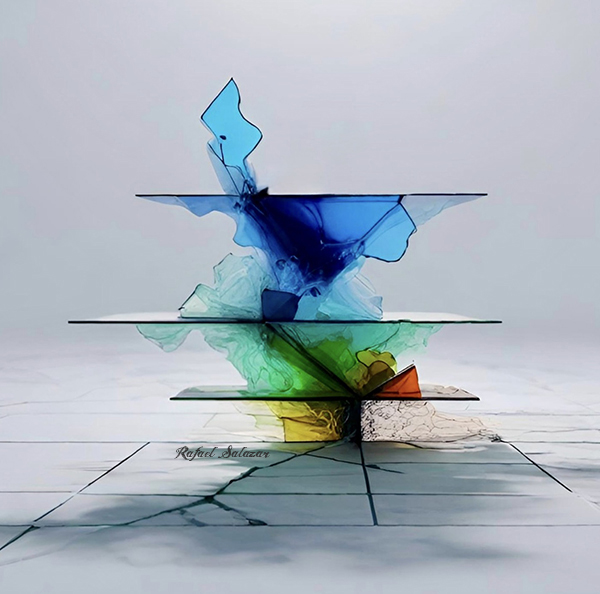
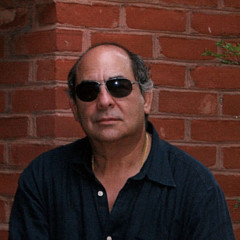
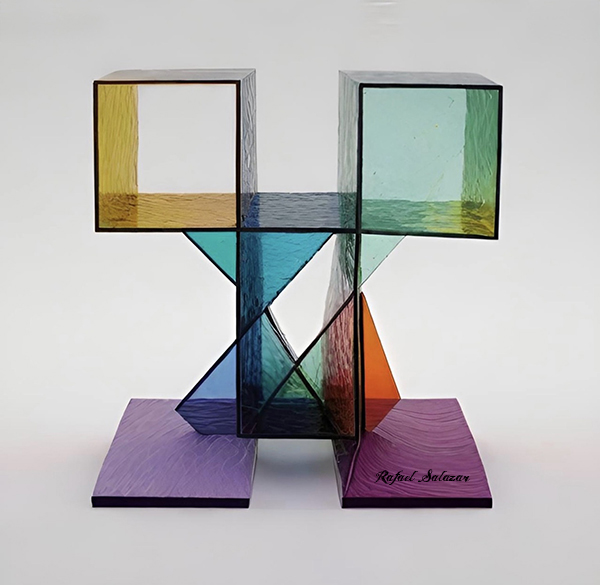
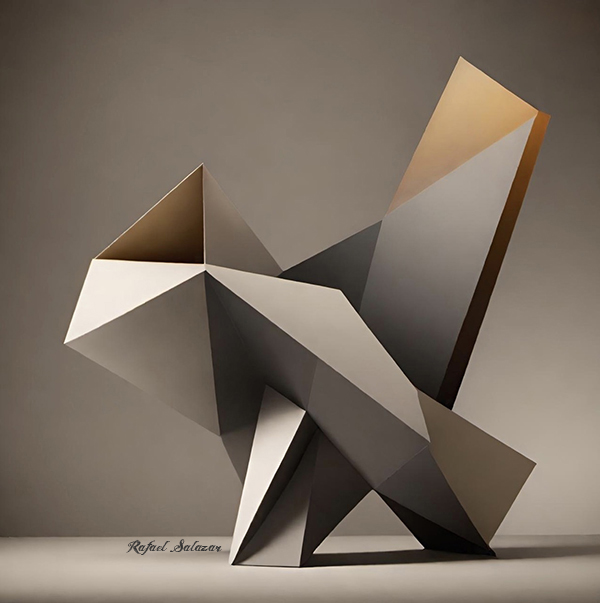
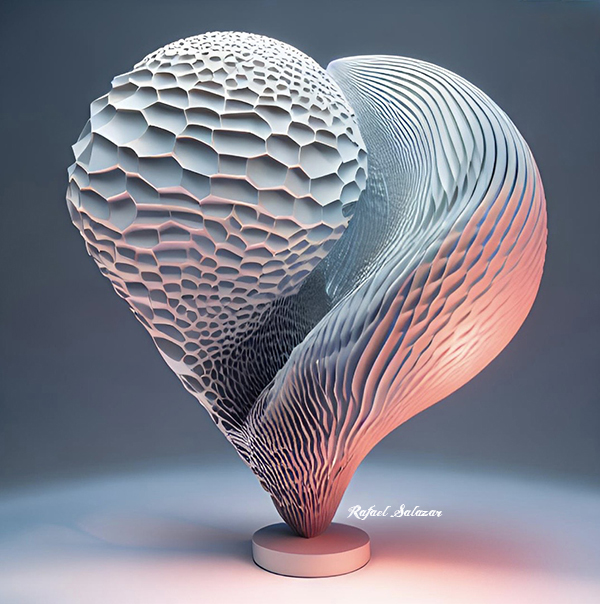
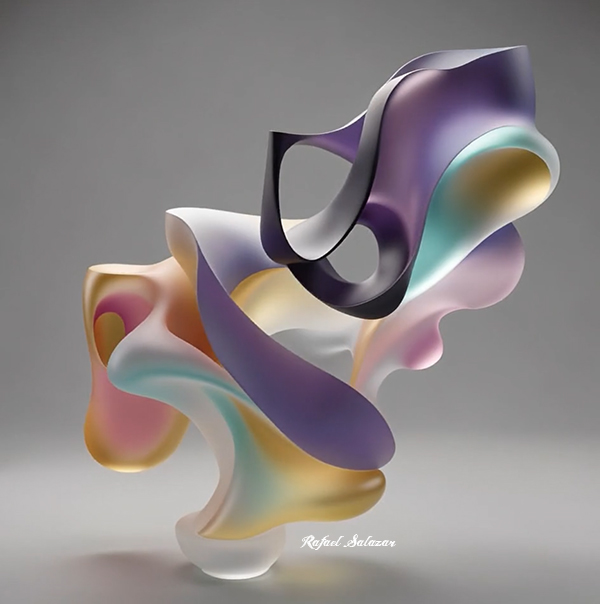
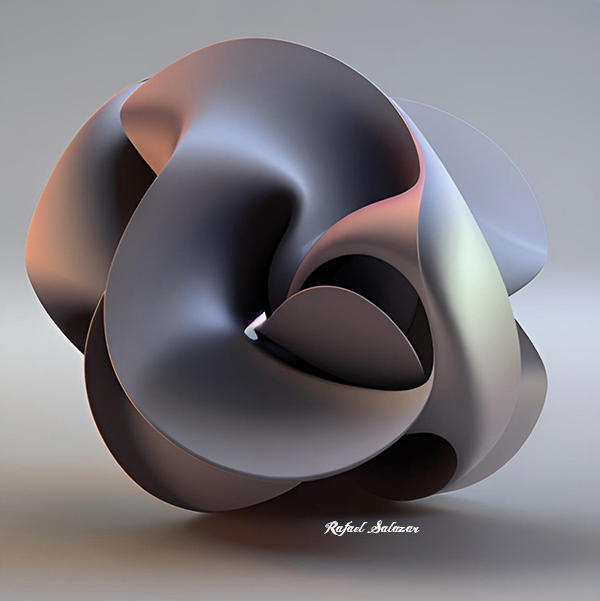
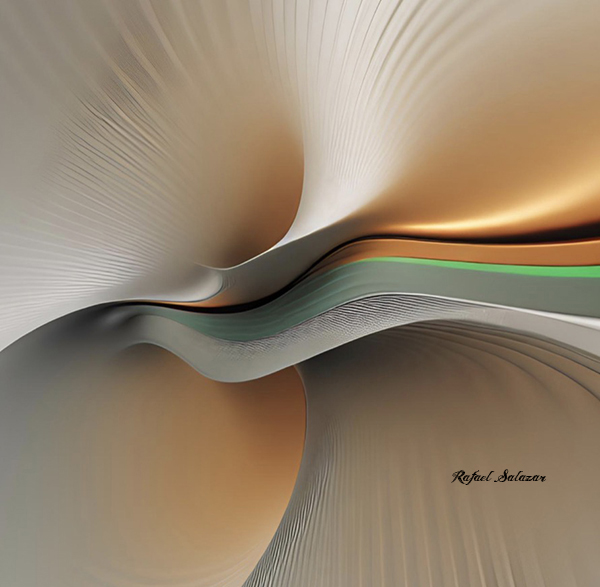





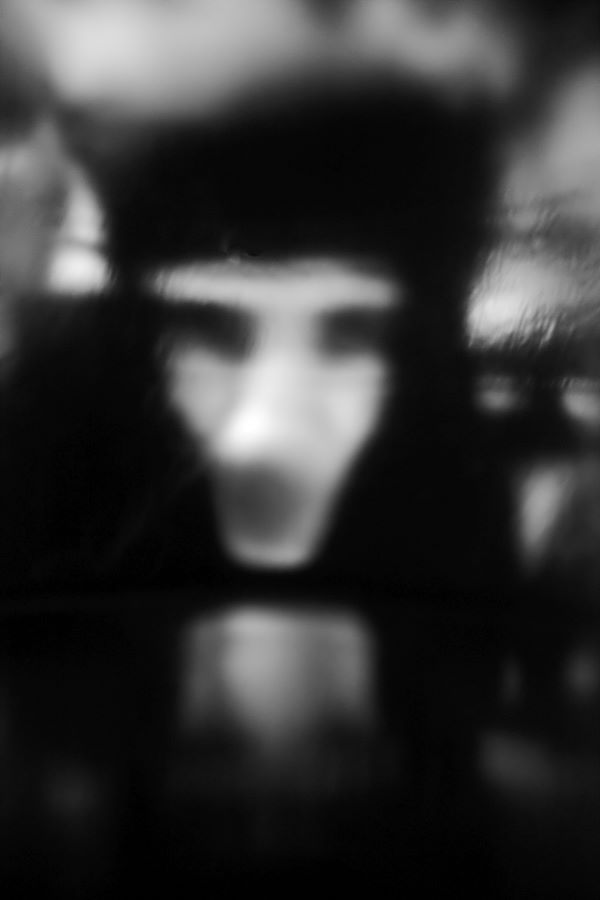
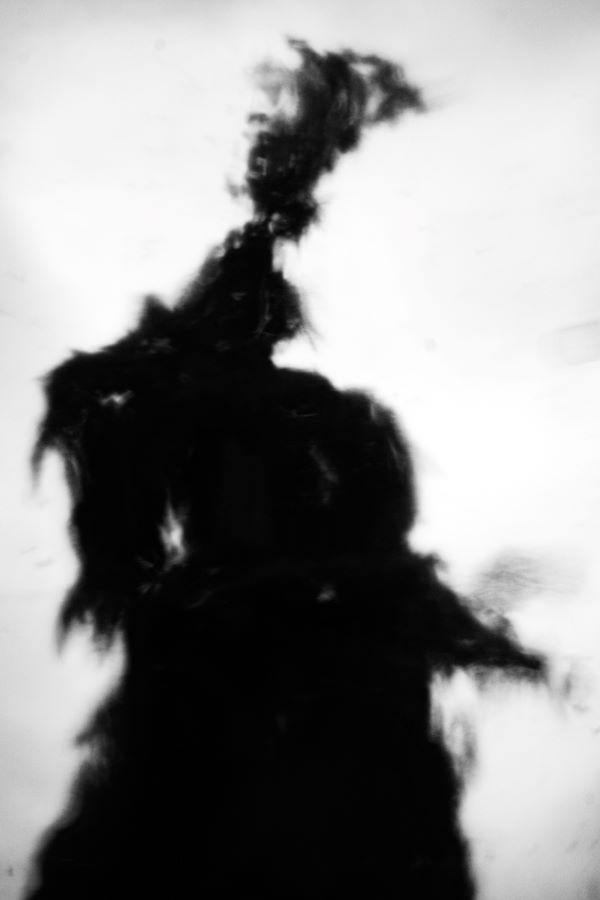
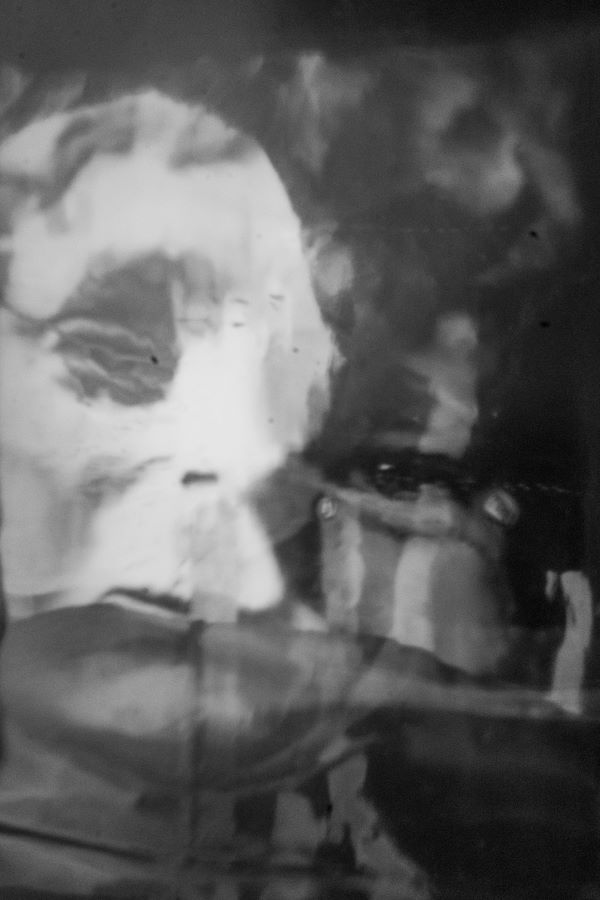


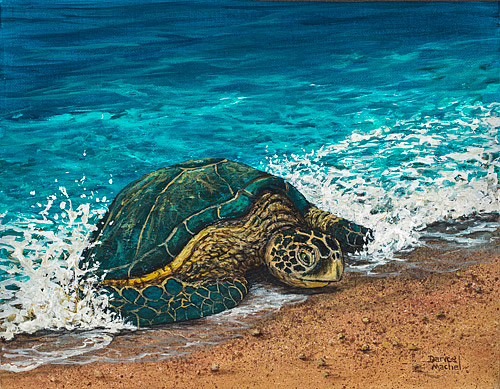
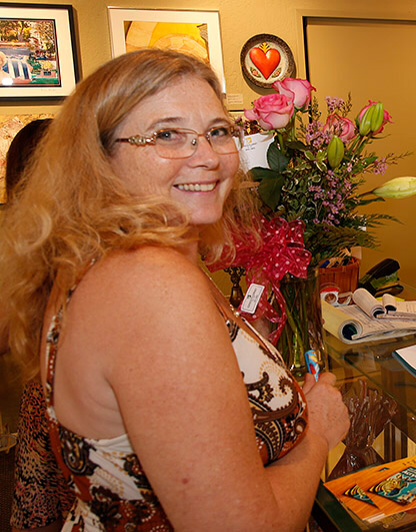
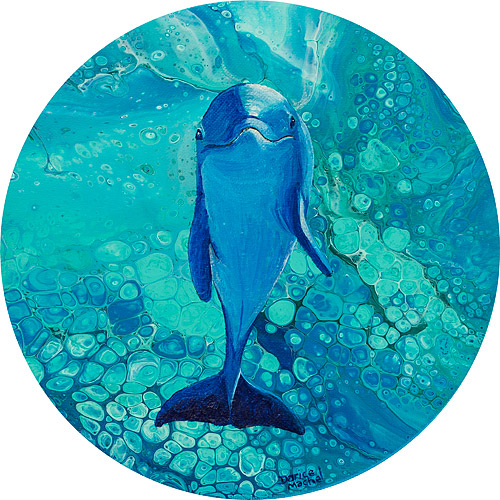
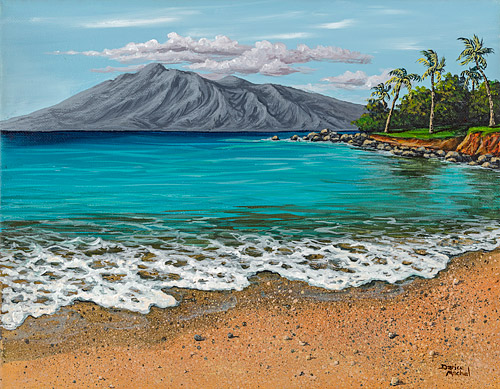
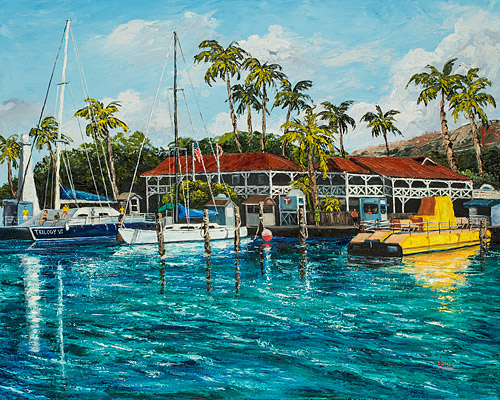
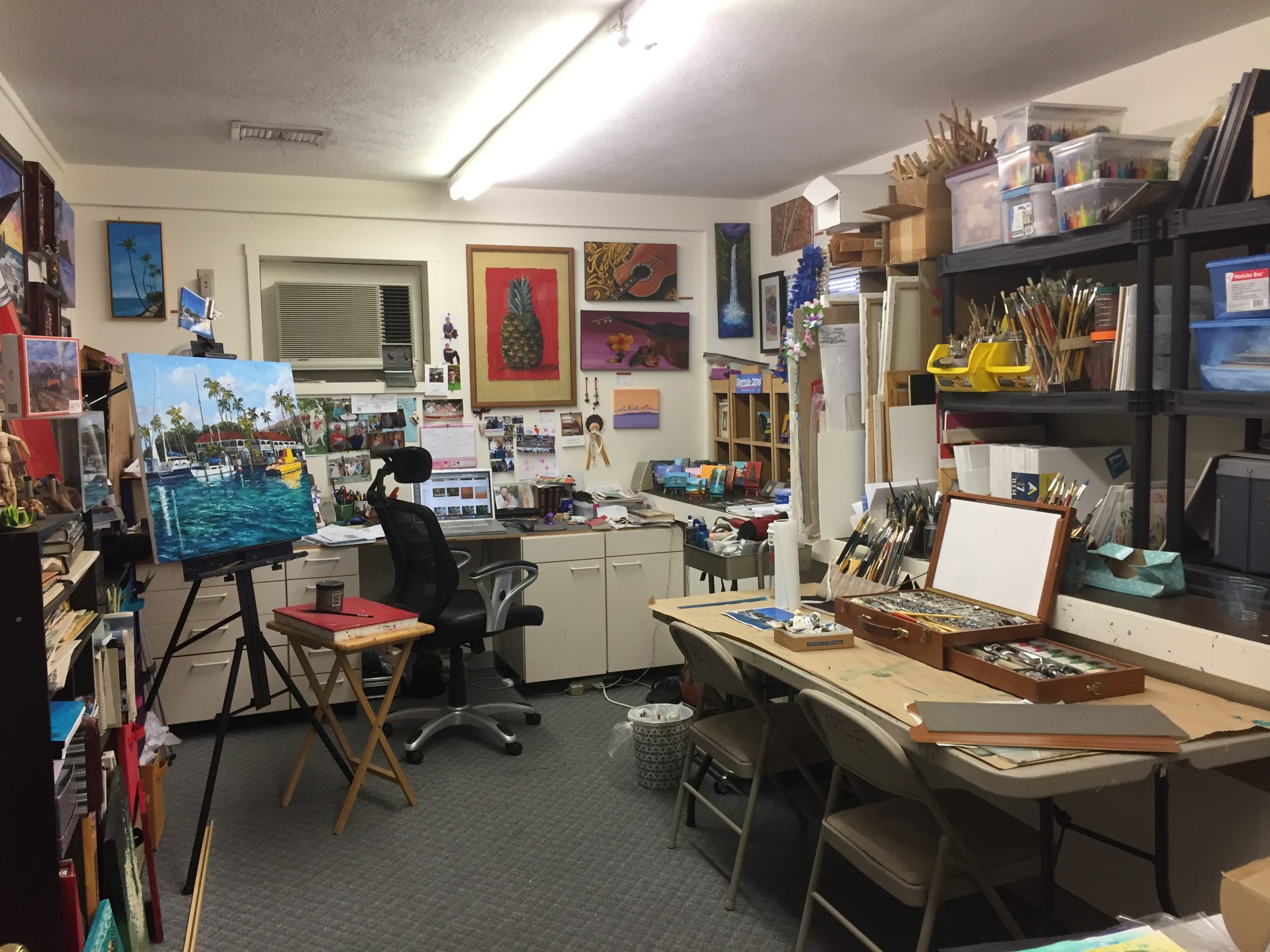
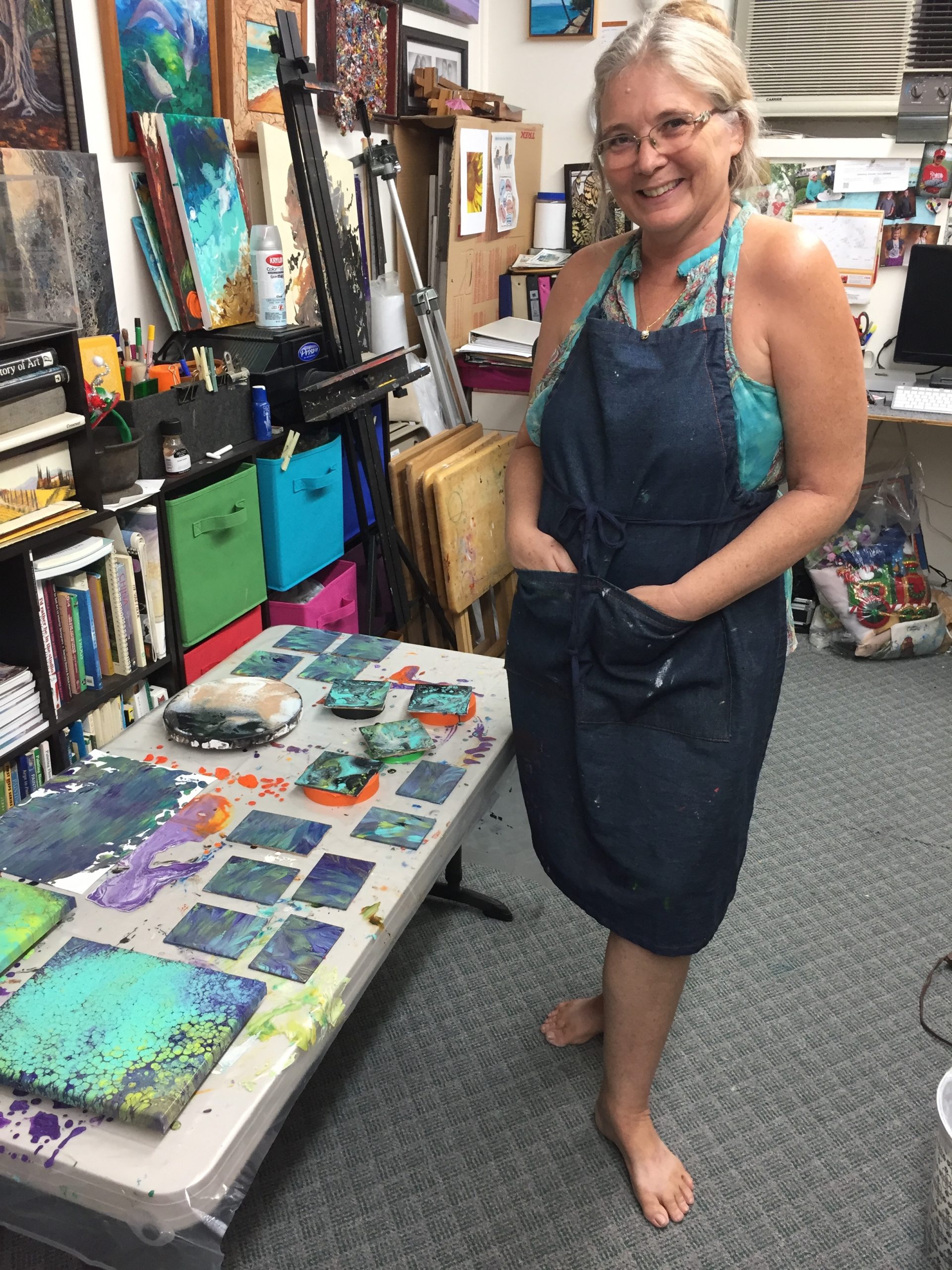
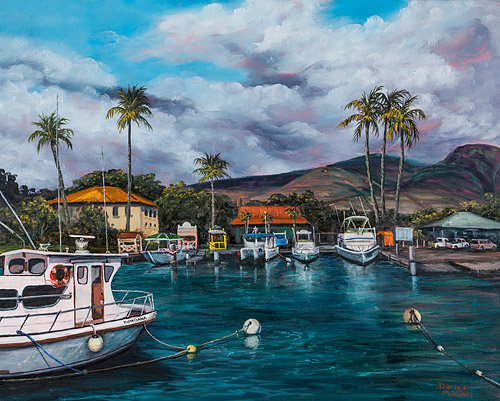
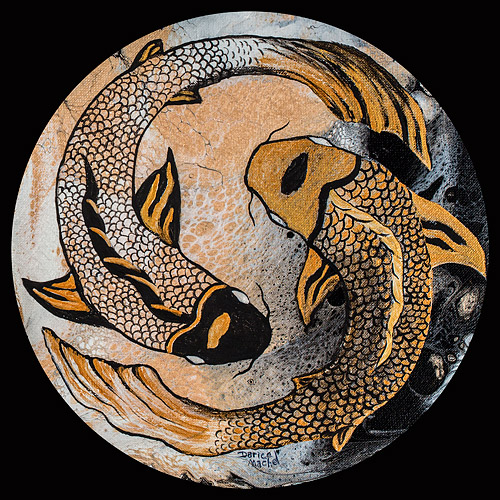
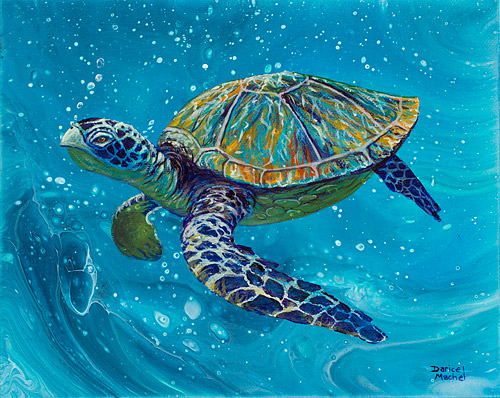
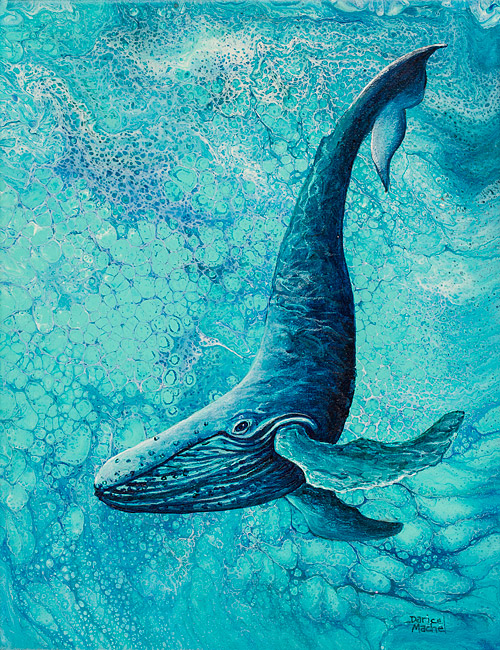

 https://dora-hathazimendes.pixels.com/


